
Psychology in 2025: Will a Robot Treat You?

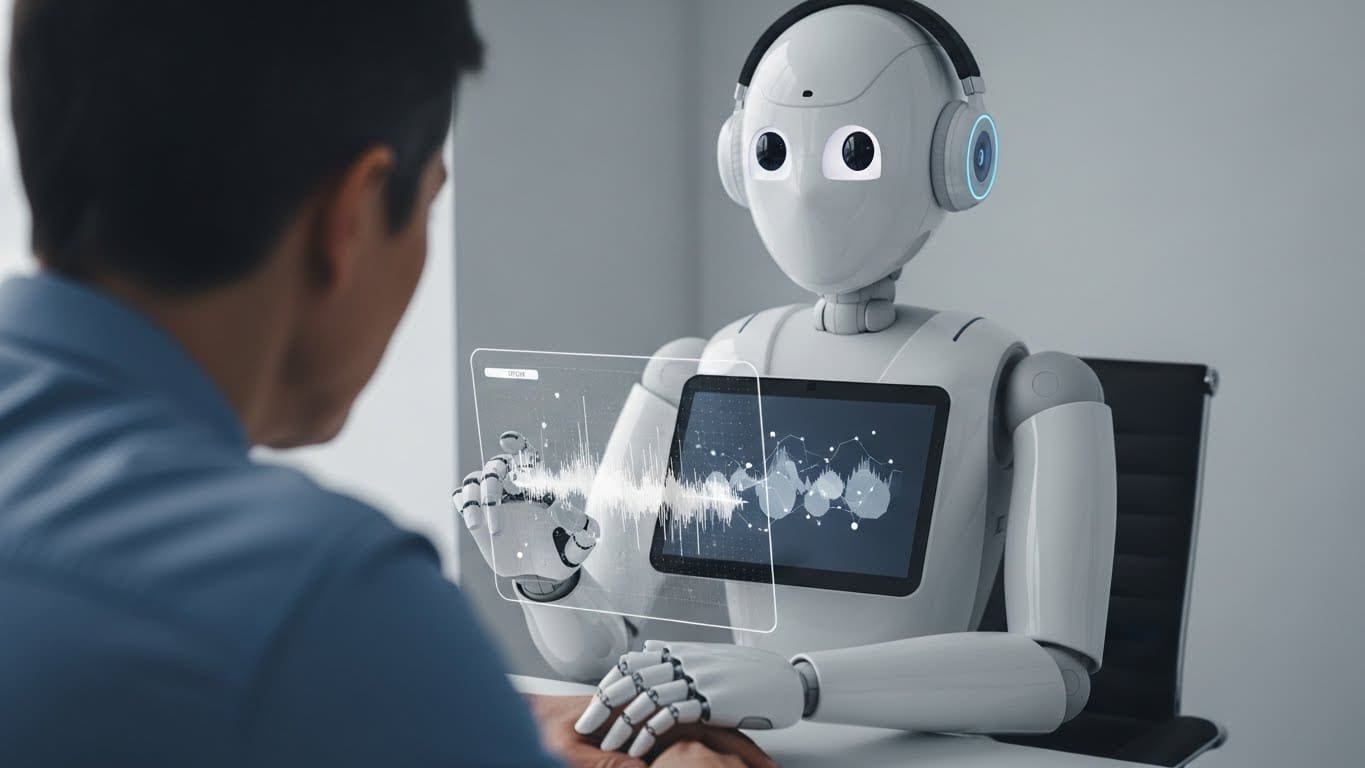
10 Trends Shaping Your Mental Health Future
Welcome to 2025! A year where science fiction doesn’t seem so far from reality anymore. Have you ever wondered how your visit to a therapist might change this year? Or how technology will impact your emotions and mind?
We stand today on the brink of radical shifts. The American Psychological Association (APA) has identified 10 critical trends that will tip the scales this year. Let’s explore together what our psychological future looks like.
10 Trends That Will Define 2025
1. AI Storms the Therapy Room Artificial Intelligence continues to drive the “Fourth Industrial Revolution.” Psychologists have already begun integrating AI tools into their daily practices, with a sharp and cautious focus on ensuring patient privacy remains a top priority.
💡 Quick Comment: Privacy is the biggest challenge here; will we trust an algorithm to keep our secrets?
2. New Strategies for Diversity and Inclusion (EDI) Despite growing political and legal challenges, psychologists are sticking to scientifically backed strategies to promote equity, diversity, and inclusion. This helps them navigate these turbulent times flexibly while ensuring therapy respects every human’s background.
3. Modernizing and Structuring the Profession Leaders in the field are currently working on a blueprint to modernize the profession by expanding training for psychology professionals at the “Master’s” level. This opens the door for a larger workforce of qualified professionals and could reduce patient waiting lists.
4. Adopting a Global Perspective In our interconnected world, researchers are increasingly moving towards cross-border collaboration. The goal is to address shared global issues and adopt a broad international perspective in research, rather than a narrow local focus. Mental health problems are global, and solutions must be too.
5. Work Environments Reach a “Boiling Point” As employee desires collide with employer expectations, psychologists are redefining “best practices” to calm tensions. The focus is on creating healthier, more balanced work environments that prioritize employee mental health over raw productivity.
💡 Quick Comment: This trend matters to every employee feeling burnout… Change is coming!
6. Technology Reshaping Therapy (Beyond AI) It’s not just about AI; general technological advancements are expanding the reach of psychological services and boosting productivity. This is enabling new therapeutic breakthroughs that were previously impossible.
7. Classrooms Adapting to AI The rise of AI forces inevitable changes in education. Psychologists are playing a crucial role here to ensure these technologies are used safely and effectively to enhance the student learning experience rather than harm it.
8. The Push for Accessible and Comprehensive Care There is a strong movement demanding increased funding and affordable mental health care. Advocates are pressing for public health approaches based on psychological science to make care accessible to everyone, not just a luxury for the wealthy.
9. Confronting the Enrollment Crisis With declining college enrollment rates, institutions face a challenge to innovate ways to ensure a continuous pipeline of a strong workforce—including mental health providers, researchers, and educators—for the future.
10. Cautious Paths for Psychedelic Therapy Psychologists are preparing to adopt “psychedelic interventions” (such as Psilocybin) to treat intractable mental health conditions. This represents a major shift in the treatment model, focusing on the safe and effective use of these substances under strict medical supervision.
💡 Quick Comment: Perhaps the boldest step in modern psychiatry, offering hope to those whom traditional medication has failed.
Watch the Source Video: For more details on these trends, you can watch the original video from the American Psychological Association: Watch on YouTube
Conclusion 2025 looks like a truly “hybrid” year; blending the cold precision of technology with the warmth of human care, and digital therapies with a return to nature. What is certain is that taking care of our mental health will become easier and more precise, but it requires a new level of awareness from us.
And you? Which of these trends sparked your curiosity (or fears) the most? Are you ready to try “Digital Therapy,” or do you prefer the “Traditional Couch”? Share your thoughts in the comments below! 👇